

With artificial intelligence (AI) becoming widely available to the public in 2023, it has quickly moved from a specialised technology used by experts to a tool that impacts nearly every aspect of our daily lives. From smartphone assistants and smart home devices to automated customer support and data-driven business solutions, it has become an integral part of everyday life in both professional and private environments. Its rapid adoption is not just changing how tasks are completed; it is fundamentally transforming the way we think about work, productivity, and career development.
As more businesses are adopting it into their business model, it begs to wonder of what the impacts of AI are and what it means for the future of jobs and productivity in the workforce. Businesses must balance efficiency gains with human oversight, ensuring that employees are supported and upskilled rather than displaced. Likewise, employees need to prepare for a future in which adaptability, digital literacy, and collaboration with AI tools will become essential competencies.
In this blog, we will examine the potential threats and opportunities AI presents for the future of individuals and organisations across the world. By examining the role of AI in the workplace, the types of jobs most affected, and the strategies needed to navigate this transformation, we can gain a clearer picture of what the future of work will look like as we move forward.
Understanding AI and Its Role in the Workforce
What is Artificial Intelligence (AI)?
Artificial intelligence (AI) is a computer system that has been programmed to perform tasks that typically require human input, such as problem-solving, research, and decision-making.
Industries across the board are adopting AI into their everyday practices. In healthcare, AI helps detect illnesses from medical images, recommend personalised treatments, and manage patient data more efficiently. In finance, it predicts market trends, automates reporting, and detects fraud. Marketing teams use AI to analyse consumer behaviour and deliver targeted campaigns, while customer service departments increasingly rely on AI chatbots to handle routine inquiries.
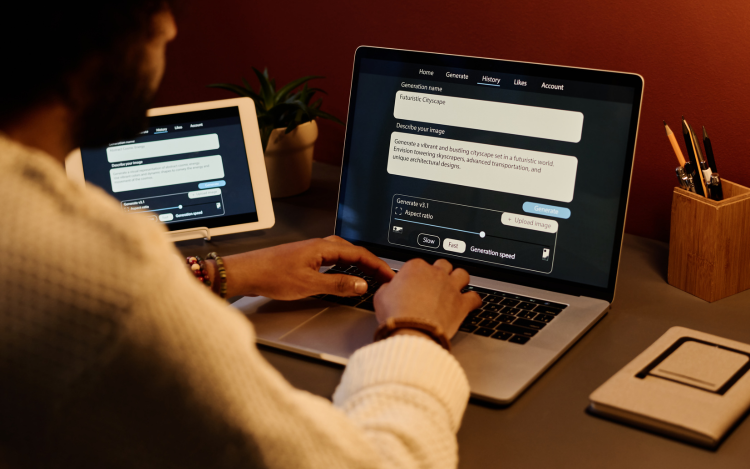
Even creative sectors are not immune: AI can generate artwork, compose music, and write content. This versatility is one reason AI adoption has accelerated so rapidly, with businesses and individuals recognising the potential for efficiency, innovation, and scalability.
The Potential Impacts of AI on the Workforce
AI is already having an impact on the workforce. There have been mass layoffs across a wide range of industries as previous roles are being replaced with automation or AI systems. The Future of Jobs Report 2025 by the World Economic Forum predicts that over a million jobs worldwide could be replaced by AI over the next decades. Although roles that require routine tasks are particularly at risk, we have already seen it paving the way for new career paths and innovation to emerge. It is important to acknowledge both the risks and benefits of how this continues to shape the workforce and the future of employment.

Jobs Most Affected by AI: Roles, Opportunities, and Risks
Types of Jobs at Risk
Roles based on predictable, repetitive tasks are the most vulnerable to automation.
For example:
- Customer service: Call centres are increasingly replaced by AI chatbots and automated help systems.
- Administration: Data entry and back-office processing are being automated at scale.
- Creative industries: Generative AI now produces writing, images, music, and video, sparking debates about the future of design, copywriting, and media production.
As AI becomes more advanced, industries relying on structured workflows will feel the greatest pressure to adapt.
Emerging Roles in AI-driven Industries
On the other hand, AI adoption is creating fresh opportunities. Demand is growing for professionals who can:
- Integrate AI into business operations.
- Train and oversee AI systems.
- Develop ethical frameworks and compliance strategies.
- Provide AI-focused education and support within organisations.
This shift underscores the need for new skillsets that blend technical expertise with critical thinking, creativity, and adaptability.
How AI is Changing Job Functionality and Business Operations
Automating Routine Tasks and Boosting Productivity
Businesses are increasingly automating tasks to boost productivity and have their employees focus on high-value tasks. Whilst it is enhancing productivity, it is important for employers not to rush into automating all tasks, as there is still room for error in AI automation.
AI’s Impact on Customer Service and Data Analysis
AI is transforming the way customer service works through chatbots, virtual assistants and support systems. For data analysis, it enables businesses to sort through large amounts of information and make data-driven decisions more quickly. We can see companies that have adopted these AI processes to increase operational efficiency.
The Challenges of AI Adoption in the Workforce
Overcoming Resistance to AI
Employees who fear losing their jobs and older generations may feel resistance towards AI, as it is a rapidly growing tool. To successfully implement AI automation and systems into the workforce, it is important to train employees accordingly and provide adequate education on how the tools should be used. This can be done through workplace training and leadership training sessions to support employees and managers in adapting to this shift.
Addressing Ethical Concerns
There are are lot of ethical considerations when it comes to AI. As AI models are being continually trained and changed by the content input by humans, this can affect the type of biases that have been unintentionally embedded. Meaning, it can impact diversity and fairness in the content they produce. Companies that are adopting AI models into the workplace should ensure their systems have been properly trained to ensure a neutral, factual stance.

The Future of Work: How AI is Shaping Job Roles and Opportunities
Evolving Career Pathways and New Skillsets
As AI is changing the workforce and the way organisations’ systems are set up, it’s important for employees to continue their professional development to remain competitive in AI-driven industries. Equally, companies should invest in upskilling their employee through training and education to equip them with the right skills to thrive in an AI-driven landscape.
How AI is Impacting Global Economies
While job displacement is a concern, AI is also paving the way for new industries and roles to be developed. As it continues to shape the global workforce and economic growth, innovation and productivity, governments and businesses must balance workforce adaptation with opportunities for economic advancement.

Final Thought: Navigating the Future of AI in the Workforce
Preparing for AI’s Future Impact
AI is no longer an emerging trend; it is becoming an integral part of everyday life. As AI is reshaping the way businesses operate, the types of jobs, and productivity, businesses that responsibly adopt AI automation into their businesses can boost productivity while still safeguarding their workforce. By taking an ethical and systematic approach to integrating AI into businesses’ organisational design and HR infrastructure, businesses can set themselves and their employees up for success.
Partnering with E.L Blue for Seamless AI Integration
At E.L Blue, we utilise AI tools for outsourcing HR services, streamlining your operations and increasing productivity. We also run employee training and development programs, so you can support your employees in workforce development. Partnering with a highly trusted HR outsourcing company, such as E.L Blue, will help you navigate AI adoption confidently and create sustainable growth while preparing your team for the future of work.