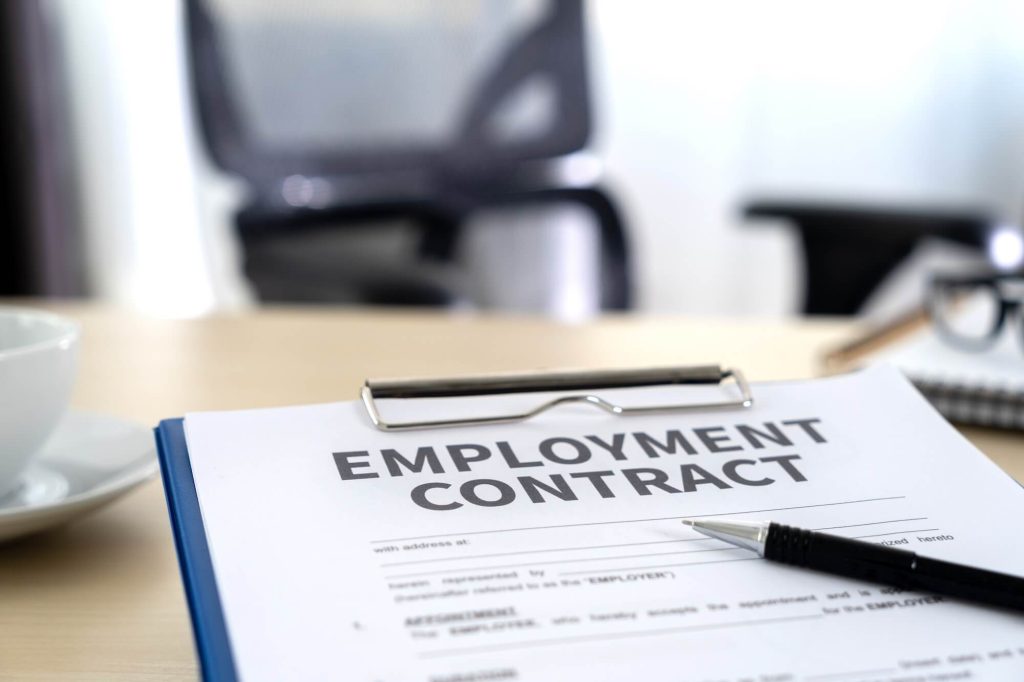
Employment agreements are often treated as set and forget documents. In practice, they should evolve alongside your business and your people.
Failing to update employment agreements when circumstances change can lead to confusion, disputes, and legal risk. Well maintained agreements provide clarity, protection, and alignment for both employer and employee.
Why Updating Employment Agreements Matters
Clear and current employment agreements help to:
- Define roles and expectations
- Reduce the risk of disputes
- Ensure legal compliance
- Support consistent decision making
Outdated agreements can create uncertainty, especially when workplace conditions or responsibilities have changed.
Role Changes and Promotions
One of the most common triggers for updating employment agreements is a change in role.
This includes:
- Promotions
- Changes in responsibilities
- New reporting lines
- Expanded duties
If a role has materially changed, the agreement should reflect:
- Updated position title
- Revised duties
- Changes in expectations or KPIs
Without updating employment agreements, there can be a disconnect between what the business expects and what is contractually agreed.
Many organisations formalise these changes through structured HR infrastructure solutions to ensure agreements remain accurate and enforceable.
Salary Adjustments and Benefits
Changes to remuneration are another key point to review employment agreements.
This may include:
- Salary increases
- Bonus structures
- Commission arrangements
- Additional benefits such as allowances or flexible work
Not every adjustment requires a full rewrite, but significant changes should be clearly documented.
Having consistent processes, supported by workplace policies and procedures, helps ensure employment agreements remain transparent and compliant.
Changes in Workplace Legislation
Australian employment law changes regularly, and employment agreements must keep pace.
Updates may be required due to:
- Changes to the National Employment Standards
- Modern award variations
- New compliance obligations
- Fair Work Commission decisions
Outdated agreements can quickly become non compliant or difficult to enforce.
Regular reviews, often supported through workplace training programs, help ensure agreements reflect current legal requirements and are applied consistently.
Avoiding Misunderstandings and Disputes
Outdated employment agreements often create ambiguity.
When agreements do not reflect actual working arrangements, disputes can arise around:
- Duties and expectations
- Pay and entitlements
- Termination conditions
- Flexibility arrangements
Clear and current agreements reduce risk and provide a strong foundation if issues arise.
Where disputes escalate, structured workplace investigations may be required. A well drafted agreement supports a defensible workplace investigations process and clearer outcomes.
It is also important to understand procedural fairness requirements when managing performance or termination decisions.
Structural or Business Changes
Employment agreements should also be reviewed when the business itself changes.
This may include:
- Restructures
- Changes in business direction
- Introduction of new roles or functions
- Mergers or acquisitions
These changes often impact reporting lines, duties, and expectations.
Failing to update agreements in these situations can lead to misalignment and increased legal risk.
Best Practices for Reviewing Employment Agreements
To ensure employment agreements remain effective and compliant, employers should:
1. Review employment agreements regularly
Conduct periodic reviews, such as annually or during performance cycles.
2. Update employment agreements proactively
Do not wait for issues to arise. Update agreements when roles, pay, or business needs change.
3. Ensure clarity in employment agreements
Use clear, practical language that reflects actual working arrangements.
4. Communicate updates properly
Discuss changes with employees and obtain agreement where required.
5. Seek expert guidance when needed
Complex updates, particularly for senior roles, benefit from professional advice and structured HR advisory and support services.
Many businesses take a strategic approach through workforce planning and organisational strategy to ensure employment agreements align with long term goals.
Final Thoughts
Employment agreements should evolve with your business, not fall behind it.
The key is to:
- Review agreements regularly
- Update them when roles or conditions change
- Ensure they reflect current law
- Communicate clearly with employees
Well managed employment agreements reduce risk, improve clarity, and support better working relationships.
Because in practice, a clear agreement is not just a legal document. It is a foundation for performance, accountability, and compliance.